Performance Tracking
Latest Post




Performance Tracking is the systematic monitoring and measurement of employee progress toward goals, competencies, behaviors, and key performance indicators through continuous observation, data collection, milestone documentation, and progress analysis. It encompasses goal progress monitoring, competency assessments, behavior observations, achievement documentation, performance metrics analysis, and real-time progress dashboards creating comprehensive visibility into individual and team performance integrated with performance management and goal setting frameworks.
Beyond periodic evaluations, Performance Tracking is a continuous performance intelligence system that enables proactive management, timely interventions, data-driven decisions, and objective performance assessments. Modern tracking systems involve automated progress updates, real-time dashboards, milestone alerts, analytics-driven insights, and mobile accessibility that transform performance management from subjective opinions to objective data-driven conversations. Explore our comprehensive Performance Tracking Guide to master data-driven performance excellence.
Core Elements of Performance Tracking
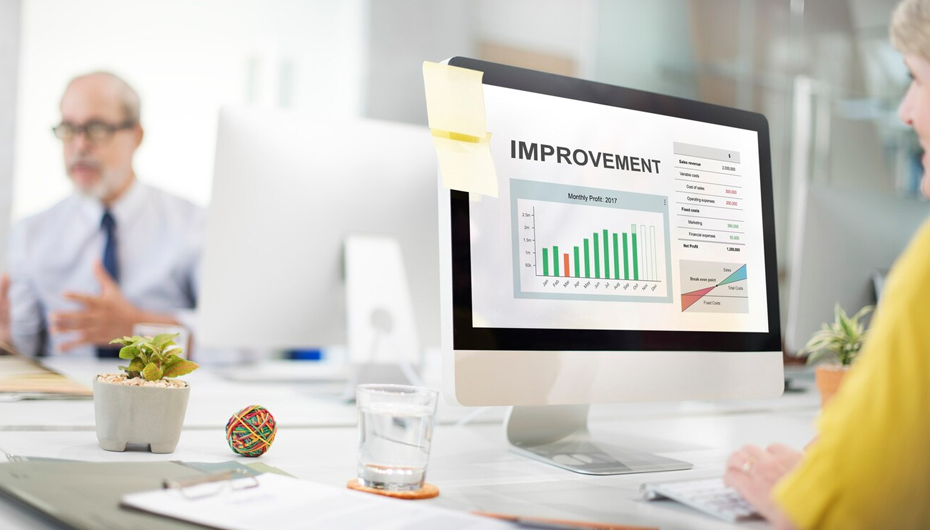
Effective Performance Tracking operates through multiple data points and measurement mechanisms ensuring comprehensive visibility into employee performance across various dimensions. These tracking elements work together to create complete performance pictures that support fair evaluations, meaningful development conversations, and strategic workforce planning beyond simple metrics to holistic performance understanding.


Goal Progress Monitoring
Continuous tracking of individual and team objectives including percentage completion tracking, milestone achievement documentation, deadline adherence monitoring, priority alignment verification, and progress trend analysis enabling managers to identify roadblocks early and provide timely support through goal setting integration ensuring alignment with organizational priorities.
Competency Assessment
Ongoing evaluation of skills and behaviors including technical competency demonstrations, behavioral competency observations, leadership capability tracking, functional expertise development, and soft skills assessment creating comprehensive capability profiles supporting targeted training & development and succession planning through structured competency frameworks and evidence-based assessments.
Performance Tracking Matters
Organizations with robust performance tracking systems experience 39% higher performance improvement rates, 27% better goal achievement, and 44% more accurate performance evaluations compared to companies relying on annual reviews alone. Strategic performance tracking transforms performance management from periodic judgment events to continuous improvement processes that drive accountability, development, and business results through consistent, objective performance visibility.
Companies implementing comprehensive tracking systems see 52% increase in manager-employee alignment, 36% faster issue identification and resolution, and 68% improvement in performance conversation quality through data-driven discussions. Beyond evaluation accuracy, effective tracking enables proactive performance management identifying struggling employees early for support, recognizing high performers promptly for retention, providing objective performance reporting for workforce planning, and creating fair, defensible performance decisions reducing bias and increasing trust.
In today’s environment where 72% of employees want continuous performance feedback, tracking data improves evaluation accuracy by 58%, and organizations using performance analytics achieve 25% higher business outcomes, Performance Tracking isn’t administrative overhead but strategic capability impacting talent development, retention, productivity, and competitive advantage through data-informed people decisions.
What should be tracked in performance management?
Performance tracking should include goal progress (objectives completion, milestone achievement, deadline adherence), competencies (technical skills, behavioral capabilities, leadership qualities), key performance indicators (quantitative metrics like sales, quality, productivity), behaviors (value demonstrations, collaboration, initiative), achievements (project completions, certifications, innovations), and development activities (training completion, skill acquisition). Comprehensive tracking balances quantitative metrics with qualitative observations captured through performance management platforms providing complete performance pictures for fair performance evaluation discussions.
Essential Tracking Elements:
- Goal completion percentages, milestone achievements, and priority objective progress tracking
- Competency development tracking technical expertise and behavioral capability growth over time
- KPI achievement including sales targets, quality metrics, productivity measures, and customer satisfaction
- Behavioral observations documenting value demonstrations, collaboration examples, and leadership moments
- Achievement documentation capturing project successes, certifications, innovations, and special contributions
How often should performance be tracked?
Performance should be tracked continuously with formal reviews occurring quarterly or more frequently. Goal progress updates should be weekly or bi-weekly during one-on-ones, competency observations captured real-time as demonstrated, KPI metrics monitored monthly or more frequently depending on role, behavioral observations documented as they occur, and comprehensive performance reviews conducted quarterly with annual summaries. Modern performance tracking tools enable continuous data collection reducing administrative burden while maintaining regular documentation supporting meaningful feedback & recognition and development conversations.
Tracking Frequency Guidelines:
- Real-time capture of achievements, observations, and critical incidents as they occur
- Weekly or bi-weekly goal progress updates during regular one-on-one meetings
- Monthly KPI reviews tracking quantitative metric achievement and trend analysis
- Quarterly comprehensive performance reviews synthesizing all tracked data for evaluation
- Annual performance summaries aggregating year’s performance for major decisions
How can performance tracking be implemented effectively?
Implement performance tracking by establishing clear performance criteria aligned with roles and goal setting frameworks, selecting user-friendly performance management platforms accessible via web and mobile, training managers on consistent observation and documentation practices, integrating tracking with regular one-on-ones and feedback & recognition workflows, ensuring transparency by sharing tracked data with employees through self-service access, automating data collection where possible, and regularly reviewing tracking effectiveness ensuring system adds value rather than creating administrative burden while maintaining fair, objective performance visibility.
Implementation Best Practices:
- Clear performance criteria defining what success looks like for each role and level
- User-friendly platforms making tracking easy through mobile apps and intuitive interfaces
- Manager training teaching effective observation, documentation, and progress monitoring practices
- Regular integration incorporating tracking into existing one-on-ones and performance conversations
- Employee transparency providing self-service access to tracked performance data and progress
Discover More Performance Tracking Topics
Expand your performance tracking knowledge with our comprehensive guides:
Integration & Tools:
- Feedback & Recognition – Linking recognition with tracked achievements
- Training & Development – Using tracking data for development planning
- Appraisal Process – Incorporating tracked data into evaluations