
Feedback & Recognition
Latest Post




Feedback & Recognition is the systematic practice of providing constructive performance insights and acknowledging employee contributions through continuous feedback loops, peer recognition, manager appreciation, achievement celebrations, and reward programs that drive engagement and performance improvement. It encompasses regular performance conversations, real-time recognition, milestone celebrations, peer-to-peer appreciation, achievement badges, and reward redemption creating culture of continuous improvement and appreciation integrated with performance management and employee engagement initiatives.
Beyond annual reviews and occasional praise, Feedback & Recognition is a strategic engagement driver that impacts employee motivation, retention, productivity, and organizational culture. Modern recognition programs involve real-time appreciation, social recognition platforms, points-based rewards, analytics-driven insights, and mobile accessibility that transform feedback from infrequent formal events to continuous conversations and appreciation moments. Explore our comprehensive Feedback & Recognition Guide to master employee engagement and performance excellence.

Core Components of Feedback & Recognition
Effective Feedback & Recognition operates through diverse mechanisms serving different purposes from performance improvement to cultural reinforcement. These recognition components work together to create comprehensive appreciation ecosystems that motivate employees, reinforce values, and drive continuous performance enhancement while maintaining authentic, meaningful employee experiences.
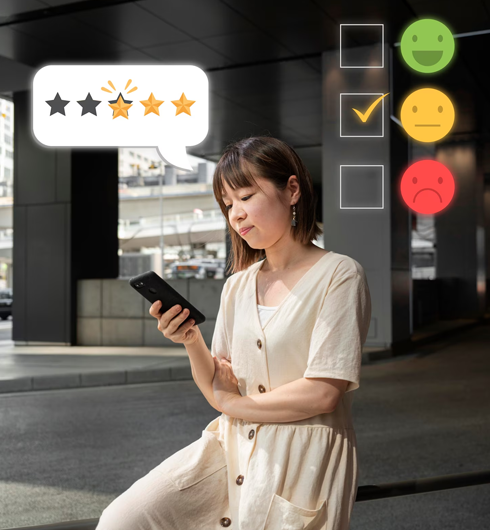

Continuous Feedback
Regular performance conversations including one-on-one meetings, real-time feedback on projects, constructive developmental input, goal progress discussions, and ongoing coaching creating open dialogue between managers and employees supporting growth and alignment with performance goals beyond annual review cycles.
Peer Recognition
Employee-to-employee appreciation including peer-nominated awards, team celebration posts, collaborative achievement recognition, cross-functional appreciation, and social recognition feeds building positive workplace culture and strengthening team bonds through employee self-service platforms enabling anyone to recognize anyone anytime.
Feedback & Recognition Matter
Organizations with strong recognition programs experience 31% lower voluntary turnover, 14% higher employee engagement, and 12% greater productivity compared to companies with minimal recognition practices. Strategic recognition transforms employee appreciation from sporadic events to cultural foundations that drive performance, retention, and organizational success through consistent, meaningful appreciation that employees genuinely value.
Companies implementing comprehensive feedback and recognition systems see 41% reduction in absenteeism, 59% improvement in employee satisfaction scores, and 73% of recognized employees report higher loyalty and commitment. Beyond engagement metrics, effective recognition programs strengthen desired behaviors, reinforce organizational values, improve manager-employee relationships, accelerate performance improvement through timely feedback, and create positive workplace cultures where employees feel valued and motivated to excel.
In today’s environment where 79% of employees who quit cite lack of appreciation as key reason, recognition drives 63% higher performance outcomes, and continuous feedback improves productivity by 39%, Feedback & Recognition isn’t nice-to-have perk but critical business strategy impacting talent retention, performance excellence, cultural strength, and competitive advantage in talent markets.
What types of recognition are most effective?
Most effective recognition combines timely acknowledgment (within days of achievement), specific praise (highlighting exact behaviors or results), public visibility (team announcements, company-wide posts), personal relevance (rewards employees actually value), and authentic delivery (genuine appreciation from peers or managers). Programs integrating peer recognition, manager appreciation, and milestone celebrations through employee engagement platforms with both social recognition and tangible rewards achieve highest impact balancing intrinsic motivation with extrinsic rewards.
Effective Recognition Types:
- Real-time recognition acknowledging achievements immediately while impact is fresh and visible
- Peer-to-peer appreciation building collaborative culture through employee-driven recognition
- Manager-led awards providing leadership validation and reinforcing performance expectations
- Milestone celebrations honoring tenure, project completions, and significant achievements
- Value-based recognition reinforcing company values and desired cultural behaviors
How often should feedback be provided?
Feedback should be continuous and timely rather than limited to annual reviews. Effective feedback occurs weekly in one-on-ones for ongoing projects, immediately after significant events (both positive recognition and constructive input), monthly for goal progress reviews, quarterly for comprehensive performance discussions, and annually for formal performance evaluations. Modern performance management emphasizes frequent informal feedback creating dialogue rather than infrequent formal assessments, with feedback tools enabling managers to document conversations and track development progress.
Feedback Frequency Best Practices:
- Weekly one-on-one conversations for ongoing project feedback and support needs
- Real-time input immediately following key events, presentations, or deliverables
- Monthly goal reviews tracking progress toward objectives and adjusting priorities
- Quarterly performance check-ins conducting comprehensive development discussions
- Annual formal evaluations synthesizing year’s performance with future planning
How can recognition programs be implemented effectively?
Implement recognition programs by defining clear recognition criteria aligned with company values, providing multiple recognition channels (peer, manager, automated milestones), ensuring easy-to-use recognition platforms accessible via web and mobile, allocating budgets for rewards and celebrations, training managers on effective recognition practices, measuring program participation and impact, and continuously gathering employee feedback to refine programs ensuring recognition feels authentic, equitable, and meaningful rather than forced or superficial.
Implementation Best Practices:
- Clear criteria defining what behaviors and achievements deserve recognition aligned with values
- Multiple recognition channels enabling peer nominations, manager awards, and automated milestone celebrations
- User-friendly platforms making recognition easy through employee self-service portals and mobile apps
- Diverse reward options offering choices from gift cards to experiences to charitable donations
- Regular communication promoting program awareness and celebrating recognition moments publicly
Discover More Feedback & Recognition Topics
Expand your feedback and recognition knowledge with our comprehensive guides:
Rewards & Incentives:
- Performance Tracking – Continuous monitoring of employee goals, KPIs, and progress
- Rating Management – Structured performance ratings with fair evaluation criteria
- Training & Development – Skill-building programs to support employee growth and career advancement