HRMS Software
Latest Post




HRMS Software (Human Resource Management System Software) is a comprehensive digital platform that integrates all HR functions and processes into a unified system. It encompasses employee data management, payroll processing, attendance tracking, leave management, recruitment, performance management, and self-service capabilities that streamline HR operations while providing strategic workforce insights.
Beyond digitizing paperwork, modern HRMS Software is a strategic enabler that automates administrative tasks, ensures compliance, enhances employee experience, and provides data-driven insights for workforce decisions. It involves cloud technology, mobile access, AI-powered automation, and seamless integration that transform HR departments from administrative centers to strategic business partners.
Core Modules of HRMS Software
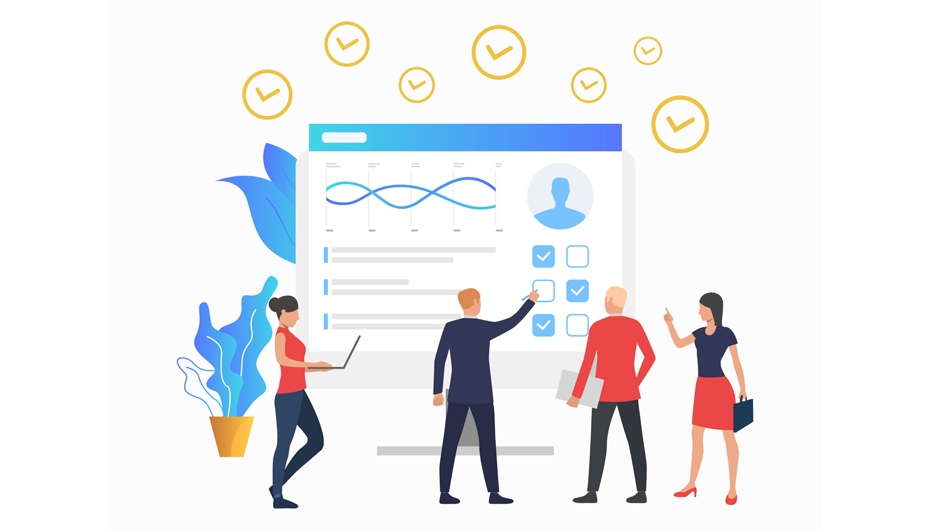
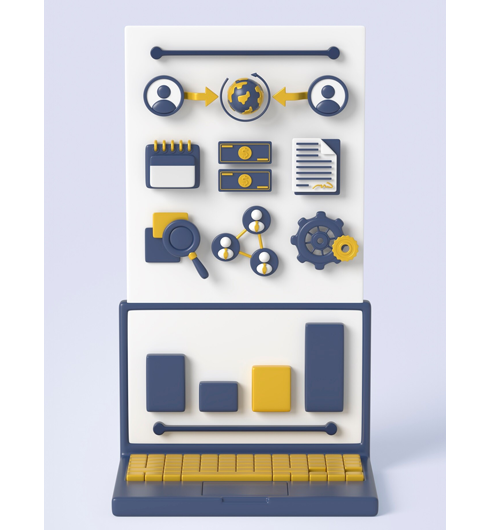
Effective HRMS Software operates across multiple integrated modules, each addressing critical HR functions while sharing data seamlessly. These core modules work together to create a comprehensive HR ecosystem that manages the entire employee lifecycle from recruitment to retirement.

Payroll & Compensation Management
Automated salary processing, statutory compliance (PF, ESI, TDS), tax management, reimbursements, payslip generation, and seamless integration with attendance and leave systems.
Time & Attendance Management
Multiple attendance tracking methods (biometric, mobile, web), shift management, overtime calculation, attendance regularization, and real-time workforce visibility.
Leave & Benefits Administration
Complete leave management with configurable policies, automated accrual, approval workflows, balance tracking, and comprehensive benefits enrollment and administration.
HRMS Software Matters
Organizations implementing HRMS Software reduce HR administrative workload by 60-70%, improve data accuracy by 80%, and decrease processing time by 75% compared to manual or spreadsheet-based systems. Modern HRMS transforms HR operations from time-consuming paperwork to strategic workforce management that drives business value.
Companies using comprehensive HRMS platforms report 40% higher employee satisfaction, 30% faster HR process completion, and 50% reduction in compliance-related errors through automation and standardization. Beyond operational efficiency, HRMS Software provides workforce analytics that inform strategic decisions, enables employee self-service that improves experience, and ensures compliance that protects against costly penalties.
In today’s digital workplace where employees expect consumer-grade experiences and data-driven decisions are essential, HRMS Software isn’t optional technology; it’s fundamental infrastructure for managing people effectively, ensuring compliance, and building competitive advantage through superior workforce management.
What is the difference between HRMS, HRIS, and HCM?
HRIS (Human Resource Information System) focuses on core HR data management and basic processes. HRMS (Human Resource Management System) includes HRIS plus payroll, attendance, and leave management. HCM (Human Capital Management) is most comprehensive, adding strategic functions like talent management, succession planning, and workforce analytics.
HRMS Software Capabilities:
- Core employee database with comprehensive information management and document storage
- Complete payroll processing with statutory compliance and tax management automation
- Time and attendance tracking with multiple capture methods and real-time reporting
- Leave management system with automated accrual, workflows, and balance tracking
- Employee and manager self-service portals reducing HR administrative burden significantly
How does HRMS Software benefit organizations?
HRMS Software benefits organizations through time savings, cost reduction, improved accuracy, better compliance, enhanced employee experience, and strategic insights. Automation eliminates manual tasks, self-service reduces HR workload, integration ensures data consistency, and analytics inform better workforce decisions systematically.
Key HRMS Benefits:
- Operational efficiency with 60-70% reduction in HR administrative time through automation
- Cost savings from reduced errors, faster processing, and optimized workforce management
- Compliance assurance with automated statutory calculations and regulatory reporting
- Employee satisfaction through self-service access and transparent HR processes
- Strategic insights via workforce analytics, dashboards, and predictive intelligence
What features should I look for in HRMS Software?
Essential features include comprehensive employee database, payroll automation, attendance tracking, leave management, employee self-service, recruitment, performance management, mobile access, integration capabilities, and analytics. Ensure cloud-based deployment, scalability, security certifications, and responsive support for long-term success.
Critical HRMS Features:
- Cloud-based architecture providing universal access, automatic updates, and eliminated IT burden
- Mobile applications enabling employees and managers to access HR services anytime, anywhere
- Integration capabilities connecting seamlessly with accounting, ERP, and other business systems
- Robust security with encryption, access controls, audit trails, and compliance certifications
- Comprehensive analytics providing workforce insights, dashboards, and predictive intelligence
Discover More HRMS Topics
Expand your HRMS knowledge with our comprehensive guides:
HRMS Foundations:
- HR Management – Strategic workforce management overview
Core HRMS Modules:
- Payroll Management – Automated salary processing and compliance
- Attendance Management – Time tracking and workforce optimization
- Leave Management – Streamlined leave administration
- Recruitment Management – Talent acquisition automation
- Performance Management – Goal setting and evaluations
Advanced Capabilities:
- Employee Self-Service – Empowering employees with self-service